
In an era where we spend up to 90% of our time indoors, the quality of our artificial lighting has never been more important. Full spectrum lights have surged in popularity as people seek to bring the benefits of natural sunlight into their homes and workplaces. But with so many options claiming to be "full spectrum," how do you choose the right one? This comprehensive guide will walk you through the essential factors to consider when selecting a full spectrum light that truly delivers on its promises.
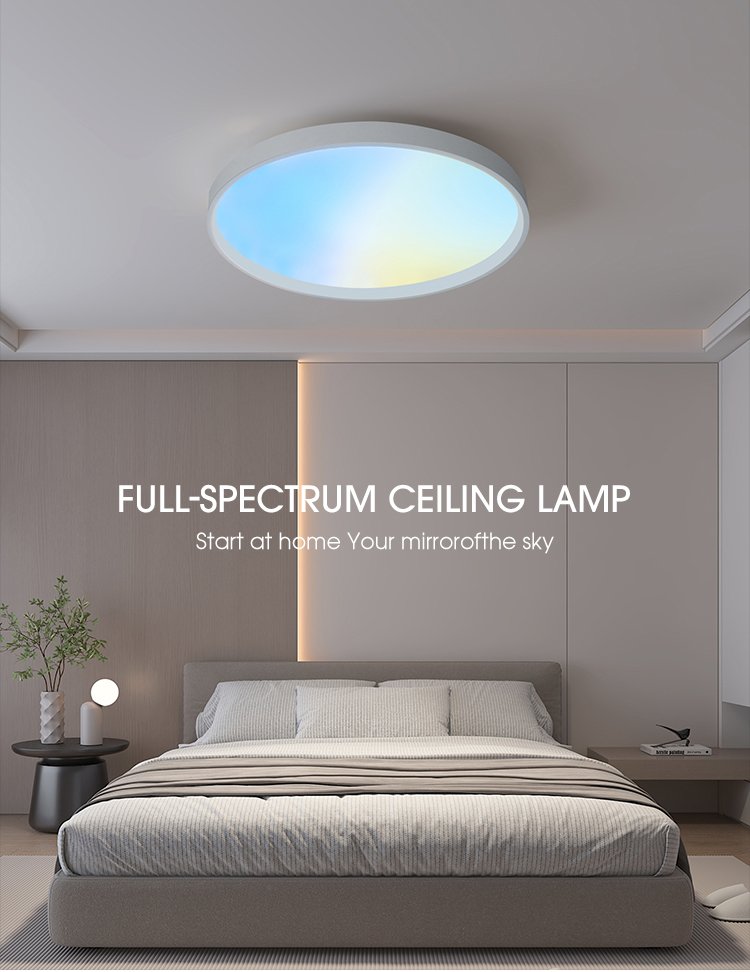
What Are Full Spectrum Lights?
Full spectrum lighting refers to artificial light sources that closely mimic the complete visible light spectrum of natural sunlight. Unlike standard LED or fluorescent bulbs that often emphasize certain wavelengths while neglecting others, genuine full sp
ectrum lights provide a balanced, continuous range of colors similar to what you'd experience outdoors on a clear day.
Key Factors to Consider When Choosing Full Spectrum Lights
1. CRI (Color Rendering Index) Rating
The CRI is arguably the most critical specification for evaluating full spectrum lights. This metric measures how accurately a light source reveals the true colors of objects compared to natural sunlight.
Look for CRI 95+ for premium full spectrum performance
CRI 90-94 offers very good color accuracy
Avoid lights below CRI 85 if you want genuine full spectrum benefits
2. Color Temperature (CCT)
Measured in Kelvin (K), color temperature determines whether light appears warm or cool.
5000K-6500K: Ideal for task lighting, offices, and workspaces (mimics midday sun)
4000K-5000K: Versatile neutral white, suitable for most indoor applications
Below 4000K: Warmer tones, better for relaxing environments
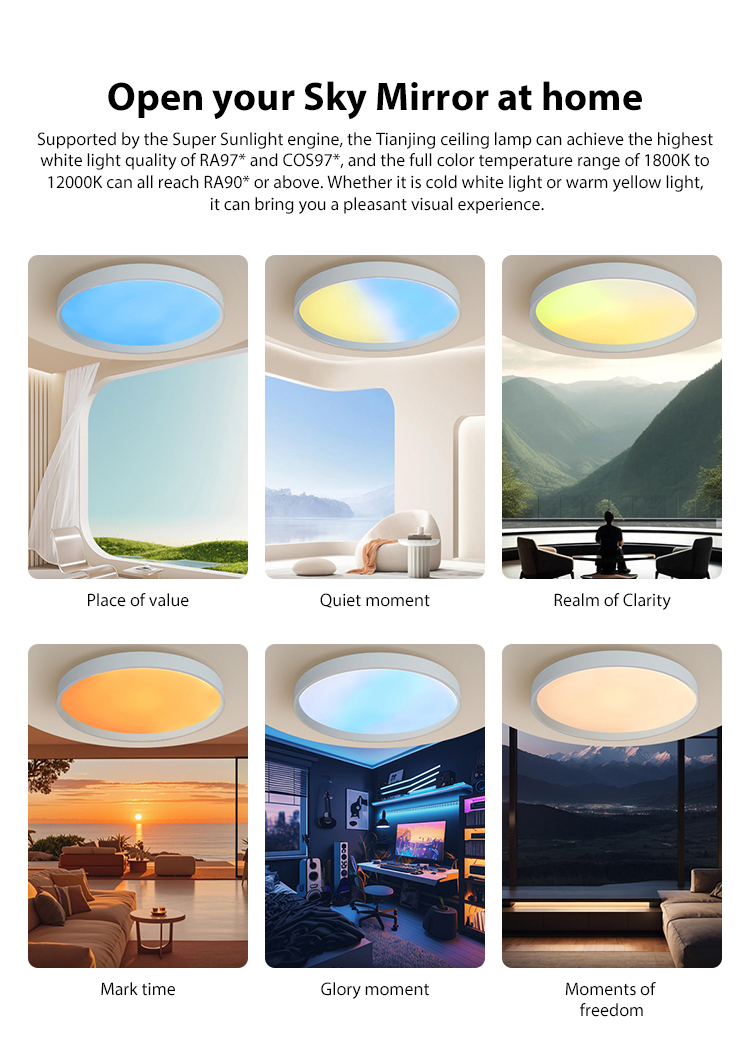
3. Spectral Power Distribution (SPD)
While technical, SPD charts provide the most accurate picture of whether a light is truly full spectrum. Look for:
Smooth, continuous curves without significant gaps
Balanced peaks across violet, blue, green, yellow, and red wavelengths
Minimal blue spike (common in standard LEDs)
4. UV Content Considerations
Some full spectrum lights include minimal, safe UV-A for complete spectral matching
Most indoor full spectrum lights filter out UV-B and UV-C for safety
Check specifications if you have specific needs (like for plants or certain therapies)
5. Intensity and Brightness
Measured in lumens, brightness should match your intended application:
750-1500 lumens: For desk lamps and task lighting
1500-3000+ lumens: For room lighting or larger areas
Adjustable brightness is a valuable feature for versatility
6. Flicker Rate and PWM
Quality full spectrum lights should have:
High frequency operation (minimum 20,000Hz)
Flicker-free performance to prevent eye strain and headaches
Check for certifications like IEEE PAR1789 compliance
Top Applications and Recommended Specifications
For Home Office and Workspaces
CRI: 95+
Color Temperature: 5000K-5500K
Lumens: 1000-1500 (adjustable)
Recommended: LED desk lamps with adjustable arms
For Art Studios and Color-Critical Work
CRI: 97+
Color Temperature: 5500K-6500K
Even SPD across all wavelengths
Recommended: Professional-grade studio lights
For Seasonal Affective Disorder (SAD) Therapy
CRI: 90+
Color Temperature: 5000K-6500K
Minimum 10,000 lux at typical viewing distance
UV-filtered for safety
Recommended: Certified light therapy boxes
For General Home Lighting
CRI: 90-95
Color Temperature: 4000K-5000K (adjustable if possible)
Integrated into standard bulb formats
Recommended: Full spectrum LED bulbs for existing fixtures

Common Pitfalls to Avoid
1."Full Spectrum" Marketing Without Specifications
Always verify CRI ratings and request SPD charts
Be skeptical of claims without technical backing
2.Overlooking Fixture Compatibility
Ensure the light fits your existing sockets and fixtures
Check dimmer compatibility if needed
3.Ignoring the Manufacturer's Reputation
Research brand reviews and longevity
Check warranty terms and customer support
4.Choosing Based on Price Alone
Quality full spectrum technology commands a premium
Cheap alternatives often compromise on spectral quality
How to Test Full Spectrum Lights Before Committing
1.Color Rendering Test
View colorful objects or artwork under the light
Compare to how they look in natural daylight
Check for color distortion or dullness
2.Skin Tone Evaluation
Observe how the light affects skin appearance
Quality full spectrum light should make skin look natural, not washed out or artificially colored
3.Shadow Quality Assessment
Notice if shadows appear harsh or have multiple edges
Good full spectrum lighting produces soft, natural shadows
4.Eye Comfort Check
Spend 15-30 minutes under the light
Note any eye strain, fatigue, or discomfort

The Land Lighting Difference
At Land Lighting, we've dedicated years to perfecting full spectrum lighting technology. Our products are engineered with:
Consistently high CRI ratings (95+ across our product line)
Carefully calibrated spectral distributions verified by independent testing
Flicker-free drivers for eye comfort during prolonged use
Multiple form factors from bulbs to complete lighting systems
Transparent specifications with downloadable SPD charts for every product
Making Your Decision: A Step-by-Step Checklist
1.Define your primary use case (task lighting, room illumination, therapy, etc.)
2.Determine your budget range
3.Research brands with verifiable specifications
4.Compare CRI ratings and color temperatures
5.Review SPD charts when available
6.Check for necessary certifications and safety standards
7.Read customer reviews focusing on real-world performance
8.Consider the warranty and return policy
9.Order one unit to test before committing to multiple lights
Choosing the right full spectrum light requires attention to technical details that truly matter. By focusing on verified CRI ratings, appropriate color temperature, and genuine spectral completeness, you can select lighting that not only claims to be full spectrum but actually delivers the benefits of natural light.
Quality full spectrum lighting represents an investment in your wellbeing, productivity, and visual comfort. In a world where artificial lighting dominates our environments, making informed choices about the light we expose ourselves to can have profound effects on our daily lives.