
Choosing the Right LED Ceiling Lights
Have you ever noticed how a room can feel inexplicably gloomy, even when every lamp is switched on? That heavy, "basement feeling" rarely stems from a lack of brightness, but rather the poor quality of the bulb itself.
According to environmental psychologists, bringing a piece of the noon-day sun indoors fundamentally shifts our daily energy levels. This is exactly how led full spectrum ceiling lights work. Instead of just pushing out harsh brightness, these natural sunlight simulation ceiling panels recreate the complete, balanced rainbow of colors found in daylight.
By acting as a virtual window, this technology does more than just make your living room look pristine. In practice, mitigating seasonal affective disorder with indoor lighting becomes effortless, turning your home into a vibrant, mood-boosting sanctuary year-round.

The 'Missing Pieces' Problem: Why Standard LEDs Dull Your Decor
Bringing a vibrant shirt home only to find it looks completely washed out in your bedroom is a common frustration. While you likely know white light is a mix of the rainbow, standard led ceiling lights don't actually include every color. Imagine a jigsaw puzzle with missing pieces; you can see the overall picture, but it somehow feels flat and lifeless.
When comparing full spectrum vs standard led overhead lights, those cheaper standard options have hidden gaps. They pump out plenty of yellow and blue light, but skip the subtle shades needed for rich decor. Because of these missing puzzle pieces, standard bulbs constantly struggle to accurately show:
Deep reds in your favorite throw pillows or fresh groceries.
The exact difference between navy blue and black clothing.
Natural, healthy-looking skin tones in the bathroom mirror.
Full spectrum fixtures solve this by filling those gaps to mimic the sun. A complete visible light spectrum and eye comfort go hand-in-hand, preventing the subtle strain of trying to see clearly in "muddy" rooms. Upgrading your home requires knowing exactly what to look for on the light bulb box to avoid harsh, artificial glare.
Mastering the Label: How CRI and Kelvin Save You from 'Hospital' Lighting
Staring at the hardware store lighting aisle is overwhelming when you just want to avoid that harsh, sterile "hospital blue" glow. The secret to replicating natural daylight actually lies in two crucial numbers printed right on the box.
Think of a toaster's metal heating element; as it gets hotter, it shifts from a dim red to a brilliant bright white. We measure this color temperature in Kelvin (K). The true difference between daylight and full spectrum bulbs involves finding the perfect match on that heat scale. A 5000K fixture beautifully mimics crisp noon sunshine, whereas a 6500k color temperature for indoor plant growth provides the slightly cooler light necessary to keep your greenery thriving.
Next is the Color Rendering Index (CRI), a simple 100-point scale grading how accurately a bulb reveals true colors. Standard bulbs score around 80, leaving rooms looking flat. Prioritizing a high color rendering index for home offices—ideally 90 or above—ensures your environment looks as rich and vibrant as it does outdoors.
Combining these exact numbers stops the daily struggle against muddy, unnatural light. Mastering these specifications essentially transforms your workspace, turning sluggish afternoons into periods of sustained focus.
From Fatigue to Focus: Using Full Spectrum Panels to Beat the 3 PM Slump
Energy levels often plummet right around 3 PM, even after a strong cup of coffee. Your body relies on an internal clock—your circadian rhythm—which uses daylight to know exactly when to stay awake and when to wind down. By improving focus with sunlight-mimicking overhead lamps, you are actively sending a "stay alert" signal to your brain, effectively banishing that frustrating afternoon fog.
Beyond basic alertness, upgrading to low blue light flicker-free ceiling units stops the invisible, rapid pulsing common in older fixtures that causes digital eye strain. When you combine this smooth, stable light with circadian rhythm synchronized home lighting systems, your environment supports your daily routine:
8 AM (Waking up): Crisp, bright light safely signals your brain to shut down sleep hormones.
1 PM (Maintaining focus): Steady illumination prevents the headaches often caused by staring at screens.
4 PM (Preventing eye strain): Glare-free output keeps your eyes relaxed as you finish your workday.
Taking control of your indoor lighting means your body no longer fights its own biology to stay productive. Selecting the right physical fixture design is the next crucial step in your lighting upgrade.
The Best Fit for Your Space: Choosing Between Surface Mounts and Sun-Mimicking Panels

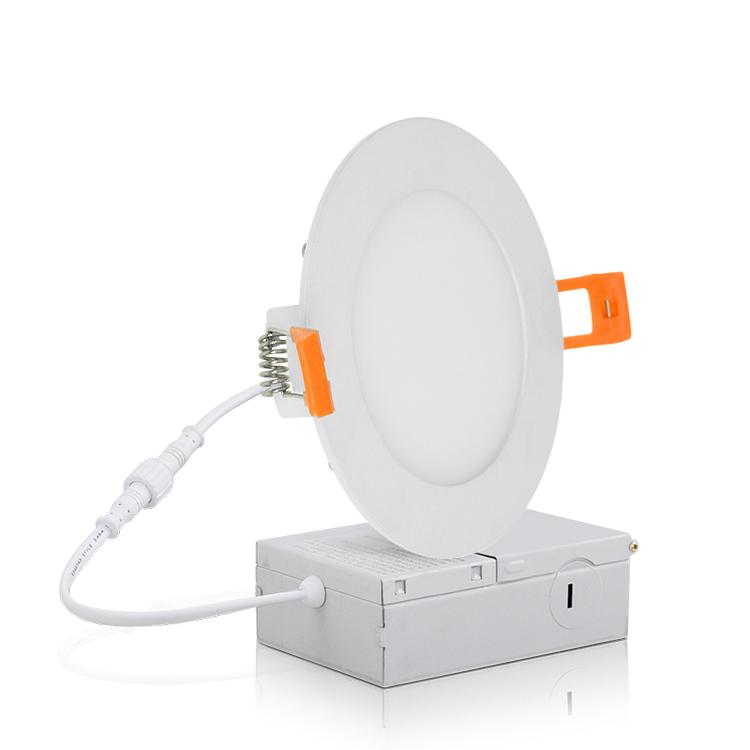
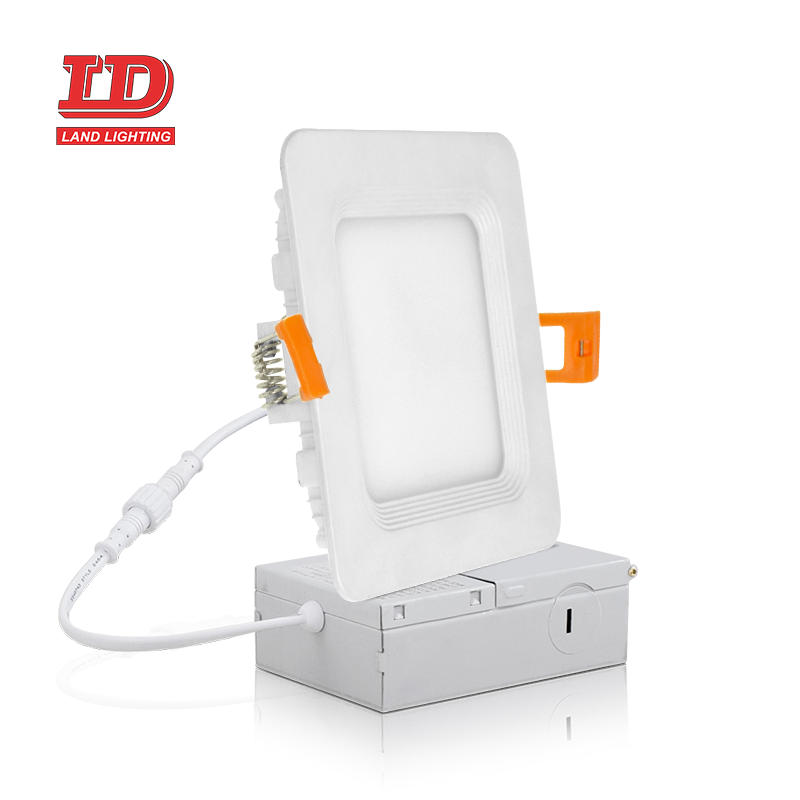
Knowing how to choose the best full spectrum led panel or fixture depends heavily on your room's layout. If you frequently wonder if full spectrum lights are good for basement offices, the answer is absolutely yes when using flat drop-ceiling panels. These ultra-thin led light fixtures act like artificial skylights, instantly replacing gloomy underground shadows with the crisp, refreshing feeling of natural sun pouring in from above.
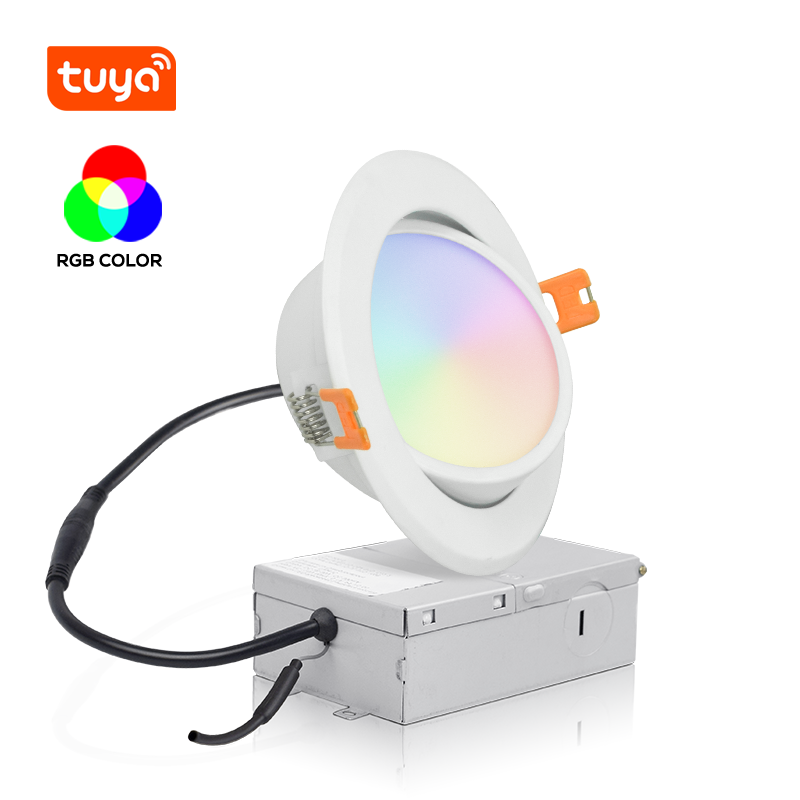
For main living areas with solid drywall ceilings, smart color-tunable surface mount fixtures offer a much better visual match for your home's decor. Rather than looking like a commercial office insert, these attach directly flush against the ceiling, looking perfectly at home in a stylish kitchen or hallway while delivering that same vibrant, natural light.
Because modern rooms often serve multiple purposes, always look for dimmable versions regardless of the physical shape you select. Smoothly lowering the intensity transforms a highly productive daytime workspace back into a relaxing evening family room. With the right fixtures selected, you can easily implement a straightforward strategy for perfect indoor illumination.
Your Blueprint for a Brighter Home: Three Steps to Perfect Indoor Sunlight
Banishing that gloomy feeling and capturing natural daylight indoors is entirely achievable. By rethinking your home's illumination, you are actively reducing eye strain with balanced indoor lighting and boosting your daily energy.
Try this simple home lighting audit:
Check your current CRI: Look for ratings below 90 on your existing bulb boxes.
Pick a priority room: Choose a high-focus space, like a kitchen or home office.
Find a better fixture: Start by installing dimmable daylight balanced ceiling fixtures in that chosen space.
Each time you upgrade a room, you'll build confidence in controlling your home's atmosphere, transforming basic illumination into a tool for better living.